
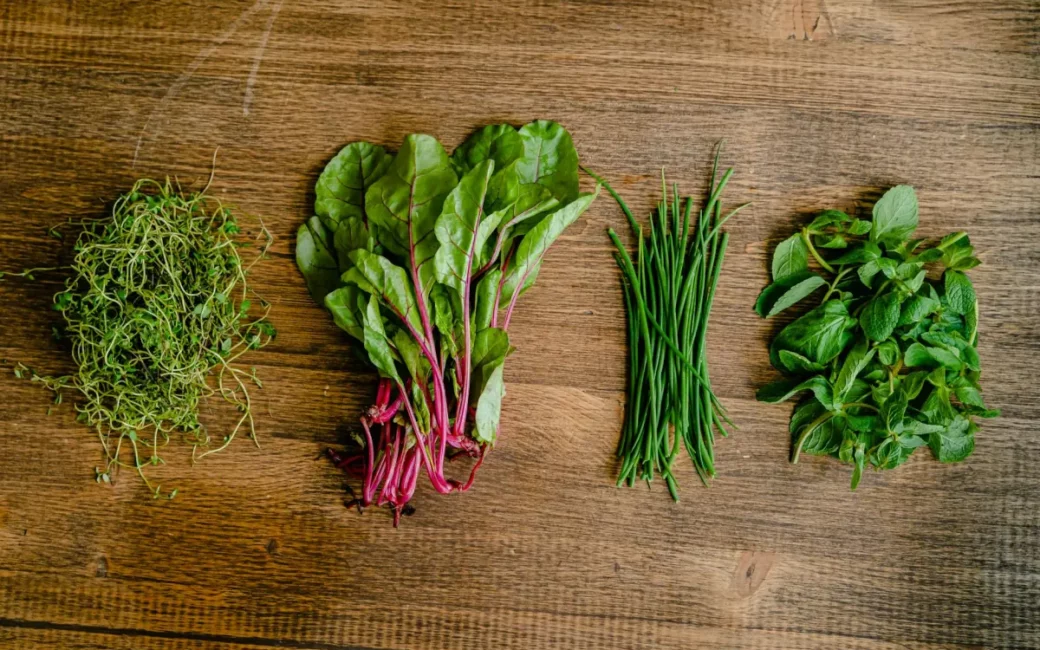
Microgreens are one of the easiest foods to ruin after purchase. They can look perfect on day one and turn limp, wet, or bitter just a day or two later if stored badly. Most of that waste is preventable. Freshness is not random. It is the result of moisture control, temperature stability, and gentle handling from the moment greens leave the punnet.
If you want longer shelf life and better flavor, treat storage like a small system instead of an afterthought. The goal is simple: keep greens cool, dry on the surface, and protected from compression while still allowing enough airflow to avoid condensation buildup.
Start with harvest and purchase timing because storage begins before refrigeration
Storage quality is locked in long before your container goes into the fridge. If greens are harvested too early, they can lose structure quickly. If they are harvested too late, stems toughen and flavor can drift from bright to harsh. Buyers should ask when the batch was cut and prefer same-day or next-day harvest where possible.
When receiving microgreens, do a fast condition check before packing them away. Look for excess surface moisture, crushed leaves, and warm product temperature from transport. Greens that arrive already wet and warm are harder to rescue later. A good habit is to spread the batch briefly in a cool room for a short settle period, then pack once surface moisture is balanced. Starting with stable product gives every later storage step a better chance of success.
Control moisture first because excess water causes most texture failures
Many people assume dry means stale, so they overcompensate by sealing damp greens tightly. That usually causes condensation, and condensation drives soft leaves, off-smells, and early spoilage. Your target is not bone dry product. Your target is dry leaf surfaces with internal plant hydration preserved.
Use an absorbent liner in the container and replace it whenever it becomes visibly damp. Do not wash microgreens before storage unless absolutely necessary. Wash right before use instead. If you must rinse, spin or drain thoroughly and allow a short air-dry period before repacking. Moisture discipline alone can add meaningful shelf life and protect the crisp bite that makes microgreens valuable in salads, sandwiches, and garnishes.
Use the right container setup to prevent compression and trapped humidity
Container choice matters more than most buyers realize. Overfilled containers trap humidity and crush leaves. Oversized containers with no liner can encourage movement and bruising in transit. A good setup uses shallow, food-safe containers with enough headroom to avoid pressing the canopy while still limiting unnecessary movement.
Lining the base with paper towel or a clean absorbent pad helps manage condensation spikes. Keep lids closed but not vacuum-tight if the design allows minimal exchange. If your container design has no airflow control, do quick daily opens for a few seconds to release built-up humidity, then close again. Small adjustments in container geometry and headspace create a stable microclimate that protects both texture and color.
Keep temperature stable because frequent fridge cycling shortens shelf life fast
Microgreens prefer a cold, steady environment. Repeated warming and cooling cycles stress the leaves and accelerate quality decline. A common mistake is storing greens in the fridge door where temperature swings are constant. Better placement is a central shelf with less thermal fluctuation and no direct contact with freezing zones.
For mixed households, label one zone as produce-stable and keep microgreens there consistently. Do not leave packs on the counter while preparing other food for long periods. Remove what you need, close the pack, and return it quickly. Consistent cold conditions help preserve aroma compounds and reduce the slimy breakdown that appears when leaves repeatedly warm and sweat.
Handle daily with a low-touch routine instead of repeated full-pack disturbance
Every time the full pack is opened, stirred, or squeezed, leaf damage risk rises. Repeated handling creates micro-bruising that may not show immediately but appears the next day as darkening edges and collapse. The solution is to portion intelligently and touch the main batch as little as possible.
Use clean utensils or gloved hands to remove only the amount needed for one meal or one service window. Close and return the rest immediately. If you meal prep, pre-portion into smaller containers so the master batch stays undisturbed. This low-touch routine improves visual quality and keeps flavor cleaner because damaged plant tissue oxidizes faster and can contribute bitterness.
Use a practical rescue protocol when greens begin to soften early
Not every pack remains perfect, especially in warm climates or high-traffic kitchens. When early softening appears, act quickly rather than discarding immediately. First separate healthy leaves from visibly compromised material so decay does not spread through contact moisture and microbial load.
Then reset the storage environment: replace damp liners, reduce container fill height, and return to a colder stable shelf. If condensation is heavy, brief venting before reseal can help. Avoid trying to revive poor texture by soaking, which often worsens shelf life. Rescue is about stopping decline, not reversing all damage. Fast intervention can save enough product to reduce waste and protect margin if you are selling to clients.
Match storage method to use case so flavor and shelf life support your goal
Home users, chefs, and small resellers often need different storage priorities. A home cook might prioritize five to seven days of acceptable freshness. A chef may prioritize peak texture for immediate plating. A seller may prioritize consistency across multiple delivery days. One method does not fit all, but the principles remain the same.
Define your target outcome before setting your routine. If peak flavor is priority, buy smaller volumes more often. If waste control is priority, tighten moisture checks and portion planning. If consistency is priority, standardize container type, shelf position, and handling times. Microgreens reward process discipline. Once your routine is fixed, quality becomes predictable rather than accidental.
Build a weekly microgreens routine that is simple enough to sustain
The best storage system is the one you can repeat every week without friction. Start with a short checklist: inspect on arrival, line containers, assign stable shelf space, and set one daily check time for moisture and leaf condition. Keep tools basic and standardized so anyone in the household or team can follow the same method.
At week end, review what spoiled and why. Was the issue moisture, heat exposure, overhandling, or overbuying volume? Use that feedback to adjust purchase size and handling cadence. This loop turns storage from guesswork into continuous improvement. Over a month, most users see less waste, better flavor retention, and more confidence in how long each batch will stay serviceable.