
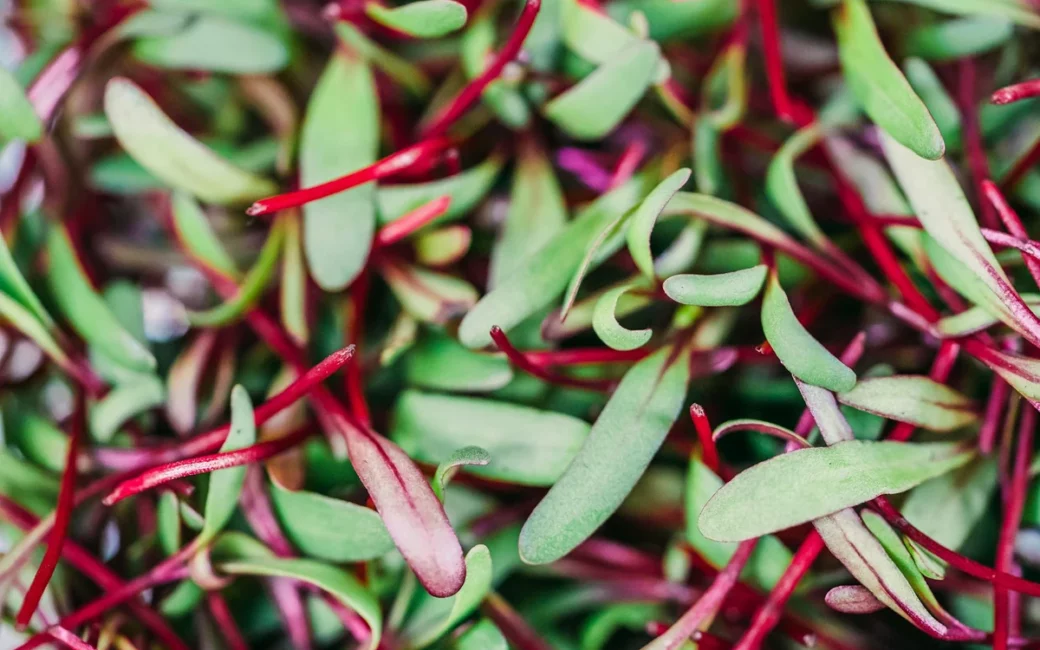
Microgreens can change a meal before the first bite. A small handful on a plate adds sharpness, sweetness, crunch, or a clean herbal finish that bigger leaves rarely deliver. Because the leaves are harvested young, their flavour is concentrated and their texture stays lively, which makes them one of the easiest ways to make everyday cooking feel more deliberate.
They also bring practical value to the kitchen. Microgreens are quick to use, easy to store for a short period, and versatile enough to work in salads, sandwiches, eggs, pasta, soups, and plated mains. For home cooks, that means one ingredient can upgrade both the taste and the look of a dish without extra effort.
Why microgreens punch above their size
The reason microgreens stand out is simple, they are harvested early, before the plant has spent energy on growing large stems and mature leaves. That younger stage tends to preserve a stronger burst of flavour in a smaller bite. Radish and arugula microgreens can taste lively and peppery, while pea shoots lean sweet and fresh. Sunflower microgreens bring a nutty snap, and basil microgreens deliver a concentrated herb note that feels fuller than standard basil leaves.
Texture matters just as much. A bowl of creamy soup, a soft sandwich, or a rich pasta dish can feel one-dimensional until a crisp layer of microgreens goes on top. Sunflower and pea shoots are especially useful when you want a tender crunch. Broccoli microgreens are milder, so they work when you want colour and freshness without taking over the plate.
Microgreens are also visually strong. Their bright greens, reds, and purples make food look fresher and more finished. That is useful at home, but it also explains why chefs and cafes use them so often. A dish that looks cared for usually tastes that way too.
The easiest ways to use them every day
The best time to add microgreens is usually at the end. Heat can flatten their texture and mute the flavours that make them interesting, so they are at their best raw or barely warmed. If you are cooking eggs, stir them in right before serving. If you are plating grilled fish, roasted vegetables, or a grain bowl, scatter them over the top after the food leaves the pan or oven.
Salads are the most obvious place to start. Mixed microgreens can replace part or all of the lettuce base, which gives you a more interesting bowl without changing your routine. Peppery radish microgreens work well with creamy dressings or potato salad, while broccoli microgreens are a low-drama way to make a simple green salad feel more substantial.
Sandwiches and wraps benefit even more. A layer of mustard, radish, or pea shoot microgreens adds crunch and freshness that cuts through cheese, avocado, roasted chicken, or hummus. They also stay neater than many salad greens, which helps when you want a sandwich that holds together.
Which varieties suit which dishes
Radish microgreens are the best choice when you want a sharp edge. They work with steak, lamb, salmon, tacos, and heavy salads because they lift the other ingredients instead of disappearing. Arugula microgreens are similar, but with a slightly nuttier and more bitter finish, so they fit pizza, pasta, grilled vegetables, and tomato-based dishes.
Sunflower microgreens are the best all-round crunch ingredient. Their flavour is nutty and clean, so they can sit under soft cheese in a sandwich, top a soup, or form the base of a lunch salad. Pea shoots are sweeter and gentler, which makes them good for spring-style bowls, stir-fries finished at the last second, or egg dishes.
Broccoli microgreens are the quiet utility player. They blend into smoothies, add body to salads, and work on almost any savoury plate without making a strong flavour claim. Basil microgreens are the most direct bridge into cooked food, especially tomato dishes, Caprese-style salads, bruschetta, and pizza.
Ways to keep the nutrition in the plate
Microgreens are valued for more than flavour. In small servings they can contribute useful amounts of vitamins, minerals, and antioxidants, which makes them an efficient add-on to meals that already fit your routine. Brassica types, including broccoli, radish, and red cabbage, are especially known for their dense nutrient profile. Red cabbage microgreens are often singled out because they can carry much more vitamin C and vitamin K than mature cabbage in the same serving size.
That makes them useful in the real world. A spoonful on soup or a handful in a lunch wrap does not change the structure of the meal, but it does raise the nutrient density. For people trying to eat better without building a new menu from scratch, that is a practical win.
Smoothies are another easy route. Mild microgreens such as broccoli or sunflower disappear into fruit blends while still adding plant variety. You can also chop them into dressings, fold them into omelettes, or use them to finish scrambled eggs. The goal is not to cook them hard. The goal is to let them stay lively.
What to avoid in the kitchen
Boiling is the fastest way to lose what makes microgreens special. Long simmering does the same thing. Deep frying, prolonged sautéing, or putting them into a hot oven for an extended time usually turns them limp and dull. If a recipe needs heat, treat the microgreens as a final garnish rather than an ingredient that cooks from the start.
A quick toss can work with sturdier types like pea shoots, but even then the window is tiny. Ten or twenty seconds is plenty. For soups, stews, and sauces, add them after the heat is off or scatter them over the bowl at serving time.
A small ingredient with business value
Microgreens are useful in home cooking, but they also make sense from a buying and growing perspective. Many varieties are ready in about 7 to 21 days, which is one reason small growers and restaurant buyers keep coming back to them. They are fast to rotate, easy to sample in different mixes, and attractive enough to support premium presentation on a menu.
For cooks who want to keep them on hand, the best habit is simple: buy or harvest in small amounts, store them dry and chilled, and use them while they are still crisp. That keeps waste low and flavour high. A tray of fresh microgreens can turn a week of ordinary meals into something brighter without changing how you cook from scratch.