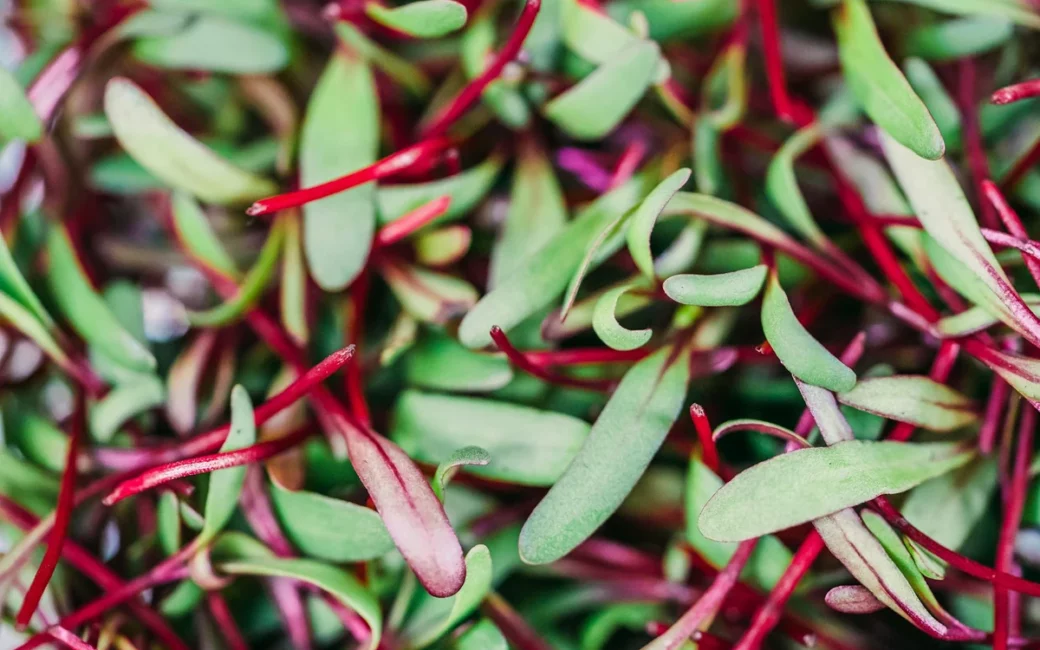
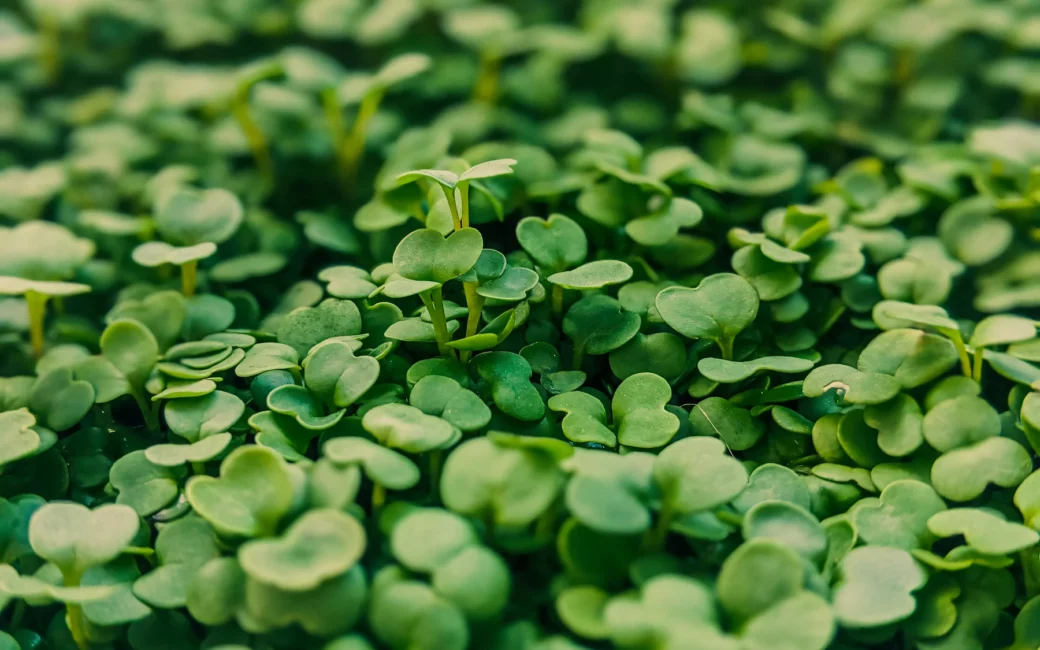
Broccoli microgreens are the crop people underestimate and then keep growing because the tray is full, the effort is low, and the result actually earns its space on the kitchen counter. If you want one green that is simple enough for a beginner, useful enough for a family meal, and dense enough to justify the trouble of growing indoors, broccoli is the one to start with.
The hype around broccoli microgreens often gets lazy, but the real case for them is stronger than the slogan. You get a fast harvest, a mild flavour that does not bully the plate, and a seed-to-bowl turnaround that makes sense for home growers who want nutrition without turning the spare room into a greenhouse.
Why broccoli microgreens punch above their size
Broccoli microgreens are tiny seedlings harvested before they become baby broccoli. That small size is exactly why they are interesting. In the early growth stage, the plant packs a lot into a very small mass, which is why growers talk about them as one of the most concentrated versions of broccoli you can eat.
The headline compound is glucoraphanin, the precursor your body turns into sulforaphane. That matters because broccoli microgreens are known for carrying a hefty amount of it, and one study on fresh broccoli microgreens reported about 35% absorption of sulforaphane after eating them. They also bring vitamins A, C and K, plus potassium, calcium and iron. The combination is why they are described as a nutrient-heavy crop rather than just a garnish with good PR.
There is also a practical reason people keep returning to them. If your goal is to add more phytonutrients to normal meals, broccoli microgreens are one of the easiest ways to do it without changing the meal into something unrecognisable. The flavour is mild, slightly savoury, and easy to tuck into food that already works.
Sprouts and microgreens are not the same thing
This is where people get sloppy, and the difference matters.
Broccoli sprouts are grown in a humid container and usually need several rinses a day. They are eaten very young, around day 3 to 5, but that wet, enclosed setup is exactly why food safety gets complicated. Microgreens are grown in a medium such as soil or coco coir, then harvested later, usually around day 10. That extra time and different growing method give them a different nutritional profile and a safer home-growing profile.
Microgreens are generally the better choice if you want broccoli in the house without handling a damp jar full of constantly rinsed sprouts. They are also reported to have around 20% more nutrients than sprouts. For families, that is not a small detail. Soil-grown microgreens are simply easier to manage, easier to scale, and less likely to leave you worrying about contamination every time you open the tray.
How to grow broccoli microgreens at home
Broccoli is one of the most forgiving microgreens to grow. It does not need soaking, and it germinates quickly, often in one or two days.
Start with a shallow 5 x 5 tray. A little over half a teaspoon of seed is enough for a first run. Once you learn how dense your seed lot is, you can push that up to 1 teaspoon. Too much seed on the first attempt usually leads to crowding, weaker airflow and a messier harvest, so start light.
What you need
- A shallow tray with drainage holes
- A second tray to act as a cover and bottom-water reservoir
- Broccoli microgreen seed
- Growing medium such as soil or coco coir
- A clean weight, such as a can or small rock
Moisten the growing medium until it is evenly damp, not soggy. Spread it into the tray so it sits loose and fluffy. That texture matters because compact media cuts airflow and invites trouble. Scatter the seeds evenly over the surface. Do not bury them.
Place a second tray over the seeded tray and add a bit of weight on top. Keep it in a place with good airflow, away from direct sun while it is covered. For the first 3 days, leave it alone. The soil already holds enough moisture for germination, so there is no need to water during this phase.
After 3 days, remove the cover and weight. Move the tray to bright light, ideally a windowsill or the brightest spot you have. If the light is weak, the stems stretch and the crop looks thin and sorry for itself.
Watering without wrecking the tray
Water from below, not over the top. Pour about 1/4 cup into the bottom tray, then empty any excess after roughly an hour. After that, water once a day or less, depending on how quickly the medium dries. Humid conditions need less water. Dry, hot rooms need more attention. Overwatering is the quickest way to create mush, mould and disappointment.
By day 7, taste a few shoots and see where you like the flavour. Most trays are ready around day 10, though they are usable from about day 7 onward. If you leave them until day 14, the quality is usually past its best. Harvest with clean scissors, cutting just above the soil line.
> Warning > Keep the tray airy and damp, not wet. If the surface stays glossy or smells sour, you have pushed the water too far.
How to use them without overthinking it
Broccoli microgreens are easy to hide in ordinary food, which is half the appeal. Sprinkle them over salads, bowls, wraps and sandwiches. Stir them into soup after the pot comes off the heat. Blend a small handful into a smoothie if you want the nutrition with almost no change in flavour. They also work on breakfast eggs, rice dishes, pasta sauces and even snacky things like peanut butter bites.
For raw use, they are at their best. If you cook them, a short exposure to heat still leaves a lot behind, and a brief 5-minute stint in a hot soup is often enough to soften them without flattening the whole nutritional point. That makes them useful in the kitchen, not just pretty on top of a plate.
Broccoli microgreens also suit picky eaters better than most greens because they are small, mild and easy to fold into familiar meals. If a child helped grow the tray, there is a decent chance they will at least taste it. That is more than can be said for a bag of forgotten salad leaves.
Why they earn tray space
A lot of home growers start broccoli microgreens for the health angle, then keep them because the crop is low drama. Fast germination, no soaking, simple harvest, and a use case that fits breakfast through dinner. If you want one crop that makes a small indoor growing setup feel worthwhile, broccoli is hard to argue against.
For South African homes, where space, light and routine matter more than garden romance, that makes broccoli microgreens one of the smartest trays you can run.